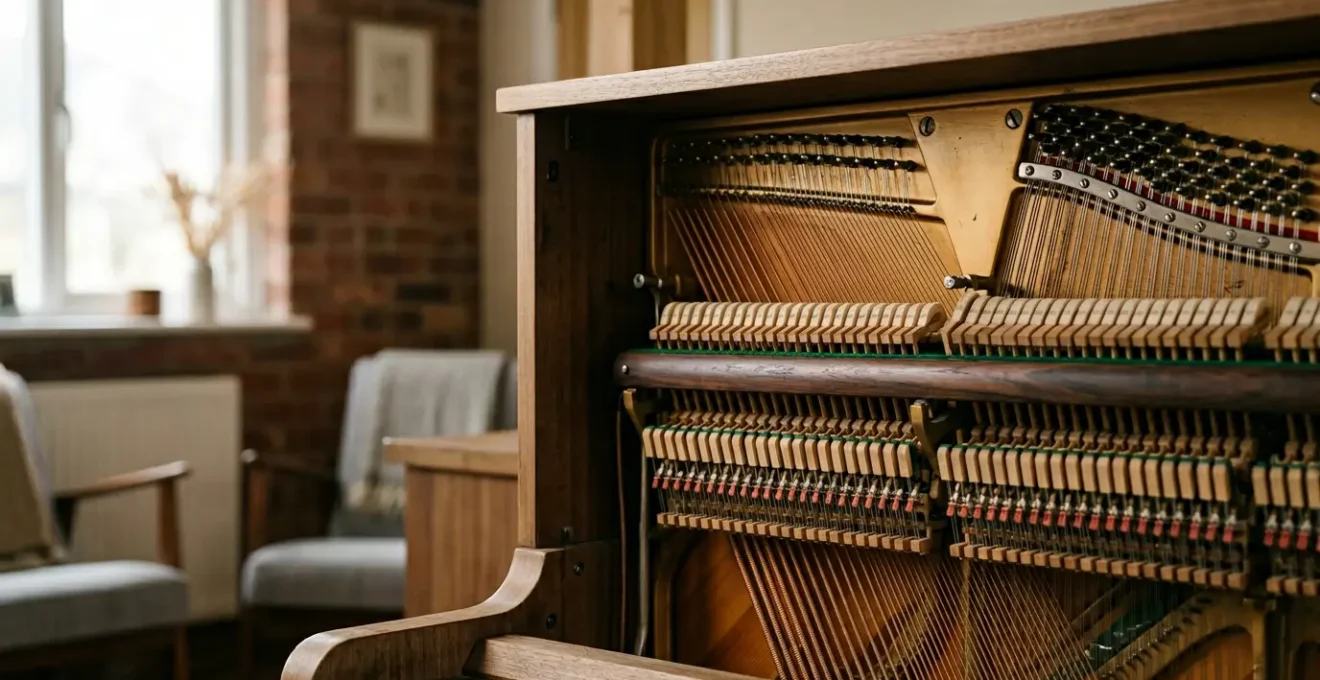
Your piano’s winter tuning problems are not just about pitch; they are a symptom of a physical battle between its wooden components and the UK’s fluctuating humidity. The soundboard swells and shrinks, throwing off string tension. This guide explains the mechanics behind this « atmospheric warfare » and shifts the focus from simply re-tuning to proactively managing your piano’s micro-climate for long-term health and stability.
Every year, as the damp chill of a British winter sets in and the central heating clicks on, a familiar and frustrating phenomenon occurs in homes across the country. The piano, a source of joy and the heart of a room, begins to sound… wrong. Notes that were perfectly in tune just weeks before now clash, creating a dissonant sound that grates on the ear. The immediate reaction for most owners is to call a tuner, assuming it’s just a routine seasonal quirk.
While regular tuning is essential, this recurring winter instability is a sign of a much deeper issue. It’s a distress signal from the very core of your instrument. The common advice—to tune it more often or keep it away from a window—only scratches the surface. These are reactive measures to a problem that demands a proactive understanding. Your piano isn’t just a piece of furniture; it’s a complex machine of wood, felt, and metal, a living, breathing entity engaged in a constant struggle for equilibrium with its environment.
But what if the key wasn’t just repeated tuning, but understanding the physical forces at play? What if you could move beyond treating the symptom and start protecting the instrument itself? This guide will take you inside your piano. We will move past the platitudes and explore the intricate mechanics of wood movement, the critical role of the soundboard’s « crown, » and the hidden damage that radiators and temperature swings can inflict. By understanding the « why » behind the problem, you’ll be empowered to provide the right care, ensuring your piano not only sounds better this winter but remains healthy for decades to come.
This article explores the specific challenges the UK climate poses to your piano. We will delve into the science of wood movement, the pros and cons of humidity control systems, and how to diagnose issues that go far beyond simple tuning. Here is a breakdown of what we will cover.
Summary: Why Your Piano Struggles with UK Winters
- Wood Movement: How Humidity and Temperature Kill Your Instrument
- The Radiator Rule: Why That Exterior Wall Is Killing Your Piano
- Dampp-Chaser vs Humidifier: Protecting Your Soundboard from Cracks
- Why Tuning Didn’t Fix the Harsh Tone of Your Piano
- Sticky Keys: When to Call a Tech for Action Regulation
- Ivory vs Plastic: How to Whiten Yellowed Keys Without Damage
- Scratch Prevention: Choosing the Right Cloth for High Gloss
- The Heater Danger: Why Acoustic Guitars Split in January
Wood Movement: How Humidity and Temperature Kill Your Instrument
To understand why your piano detests the British winter, you must first understand the nature of its primary material: wood. Wood is hygroscopic, meaning it acts like a sponge, absorbing and releasing moisture to find a state of balance with the surrounding air. This process of seeking « hygroscopic equilibrium » is the root cause of almost all seasonal tuning problems. The heart of this issue lies in the piano’s soundboard—the large, thin sheet of wood that amplifies the strings’ vibrations.
A soundboard is not flat; it’s built with a slight upward curve called the « soundboard crown. » This crown pushes up against the strings, ensuring solid contact at the bridge and creating the piano’s rich, resonant tone. When the air is humid (as it often is during a damp UK autumn), the soundboard absorbs moisture and swells, increasing the crown’s height. This pushes harder on the strings, increasing their tension and making the pitch go sharp. Conversely, when winter arrives and central heating dries the air, the soundboard releases moisture and shrinks. The crown flattens, tension on the strings decreases, and the pitch drops flat. This constant cycle of swelling and shrinking is what causes the tuning to drift so dramatically.
The consequences go beyond annoying pitch changes. This movement puts immense physical stress on the wood. According to research on piano humidity requirements, an ideal range is 45-55% relative humidity. As K&M Music School notes, « When humidity drops below 35%, the wooden soundboard begins to shrink quickly… As the soundboard shrinks, it puts less downward tension on the strings above it. This reduced string tension causes the pitch to drop sharply. » Over years, this « breathing » can lead to cracks in the soundboard, loose tuning pins, and permanent damage to the instrument’s structural and tonal integrity.
The Radiator Rule: Why That Exterior Wall Is Killing Your Piano
Now that we understand the destructive power of humidity swings, we can look at the biggest culprits in a typical UK home: radiators and exterior walls. Placing a piano against an outside wall or near a radiator is one of the most common and damaging mistakes an owner can make. It creates a hostile micro-climate of extreme temperature and humidity gradients that wages war on the instrument’s stability.
An exterior wall is often the coldest and dampest surface in a room, especially in older, less insulated properties common in the UK. This can lead to the back of the piano absorbing excess moisture while the front remains in the drier room environment, causing uneven wood movement. The real killer, however, is the radiator. As experts from Faust Harrison Pianos point out, « Radiators and baseboard heaters present a similar risk… These heat sources often run for long periods and create continuous hot, dry airflow at floor or wall level—exactly where upright and grand pianos tend to sit. » This creates a pocket of intensely dry air around one part of the piano, forcing the soundboard and wooden action parts to shed moisture at an alarming rate, while other parts of the instrument remain at a different humidity level. This uneven stress is a recipe for disaster.
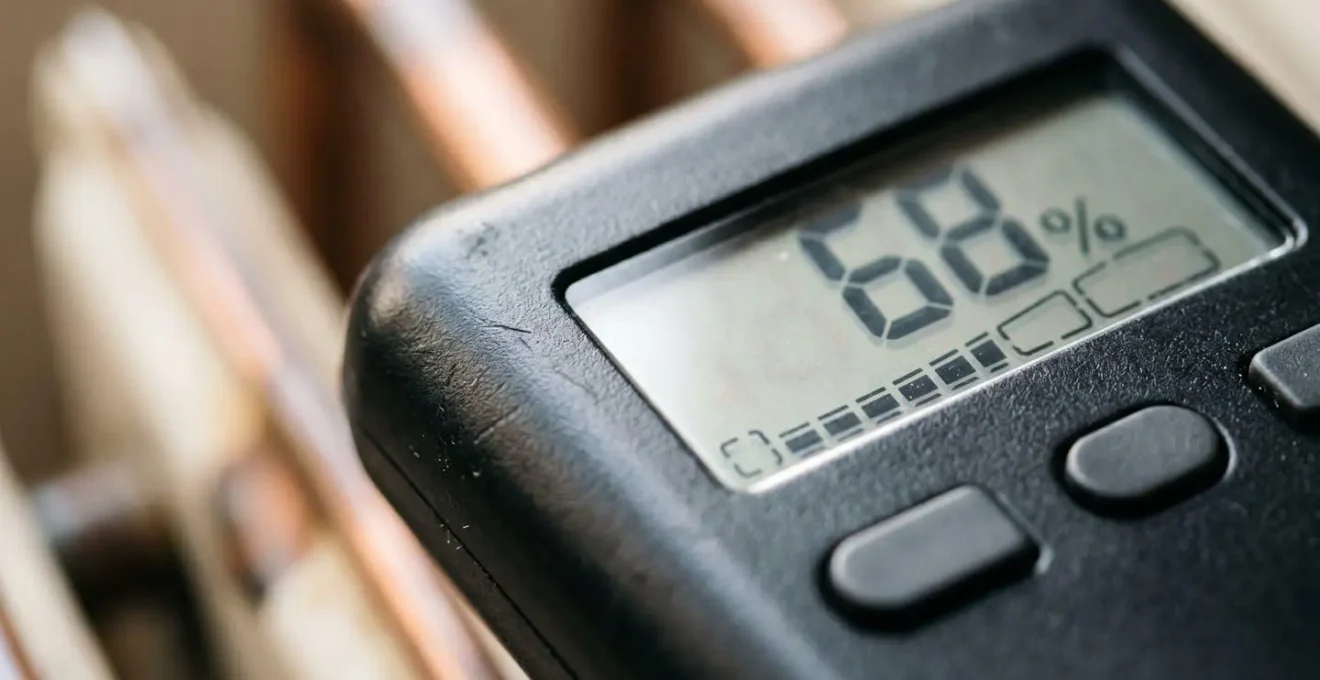
To truly understand the environment you’re subjecting your piano to, you must measure it. Placing a simple digital hygrometer on top of the piano and another near the wall or radiator will often reveal a shocking difference in humidity levels within just a few feet. This visual data makes the invisible threat tangible.
This localised « drought » accelerates the flattening of the soundboard crown, leading to severe tuning instability. Furthermore, it can cause the felt and leather components in the piano’s action to become brittle and the wooden parts to shrink, leading to clicking noises and a loose, unresponsive feel under your fingers. The ideal placement is against an internal wall, away from any direct heat sources, vents, or windows exposed to direct sunlight.
Dampp-Chaser vs Humidifier: Protecting Your Soundboard from Cracks
If moving the piano isn’t an option, or if your home’s humidity is simply too volatile, you must turn to technology. The two main approaches are controlling the entire room’s environment or controlling the piano’s immediate micro-climate. A room humidifier or dehumidifier is a common first step, but for an instrument as sensitive as a piano, a dedicated, internal system like a Piano Life Saver System (often known by the brand name Dampp-Chaser) is the professional standard.
A room humidifier attempts to regulate the air in the entire space. In winter, it adds moisture to combat the drying effect of central heating. However, this can be inefficient and imprecise. To maintain the ideal 45-55% RH for the piano, you may make the room feel uncomfortably damp for its human occupants. These units also require constant refilling and can consume a significant amount of water. In contrast, a Piano Life Saver System is a complete, closed-loop system installed inside the piano. It consists of a humidifier, a dehumidifier, and a humidistat that constantly monitors the conditions within the instrument’s enclosure and adds or removes moisture as needed to maintain a stable environment.
This targeted approach is far more efficient and effective. It focuses on creating the perfect « micro-climate management » right where it matters—around the soundboard and action. The difference in efficiency is stark; where a room humidifier might use several gallons of water per day in a dry house, humidity control system comparison data shows a Dampp-Chaser uses only two to three gallons per month. Furthermore, these systems are not a simple « one-size-fits-all » solution. As a detailed cost analysis of Dampp-Chaser installation shows, different piano models require unique configurations. For example, a narrow upright or a Disklavier model might need a backside installation with extra components, highlighting the need for a professional assessment to ensure the system is correctly specified and installed for your particular instrument. This is an investment not just in tuning stability, but in the prevention of catastrophic damage like a cracked soundboard.
Why Tuning Didn’t Fix the Harsh Tone of Your Piano
There’s a common, disheartening experience for many piano owners. You notice the tone of your piano has become harsh, brittle, or overly bright. You call your technician, they perform a tuning, and the pitch is perfect. Yet, the harshness remains. This is because you’ve mistaken a problem of tone for a problem of pitch. What your piano needs is not tuning, but voicing.
As the experts at Piano Tuning Fredericton clearly state, « Voicing is the process of changing the quality of the tone that the piano produces. It is not the same thing as tuning, which is adjusting the pitch. » Tuning corrects the frequency of the strings, making sure an A4 vibrates at 440 Hz. Voicing adjusts the character of the sound itself—its brightness, mellowness, and sustain. This is a far more artistic and nuanced process, performed by manipulating the felt of the piano hammers.
The hammers are small wooden mallets covered in dense felt that strike the strings. The condition of this felt is the primary determinant of the piano’s tone. Over time and with repeated playing, the felt becomes compacted and hardened where it strikes the strings, developing deep grooves. This hard, flattened surface produces a harsh, bright, and often loud tone with little colour or warmth. This is a common occurrence in pianos that are played frequently or have been subjected to dry conditions which can make the felt more brittle.
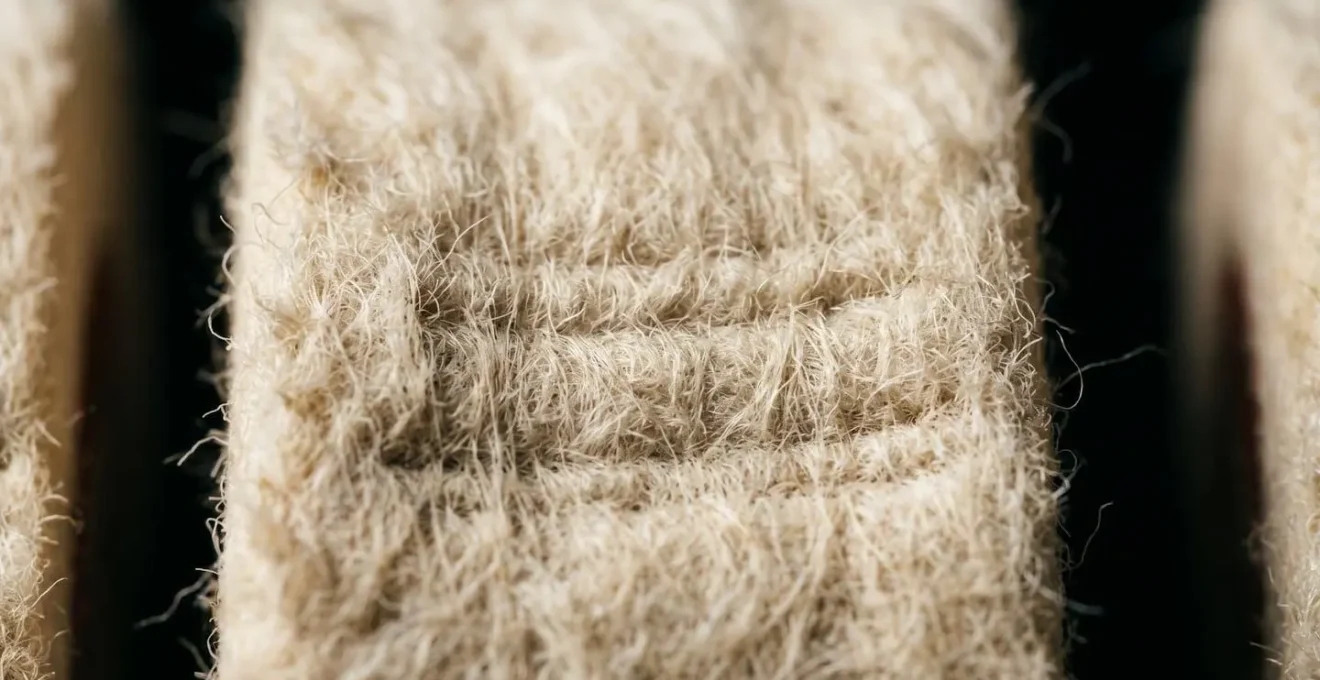
A technician performing voicing acts as a « tonal forensic » expert. They will address this compaction by using specialised needling tools to carefully pierce the hammer felt, introducing air back into the fibres to soften them. This restores resilience to the felt, allowing it to produce a warmer, more rounded tone. Conversely, if a tone is too dull or « woolly, » the technician can apply a hardening solution to the felt to add brightness and clarity. The goal is to achieve a smooth, even tonal character from note to note across the entire keyboard, tailored to the pianist’s preference and the room’s acoustics.
Sticky Keys: When to Call a Tech for Action Regulation
Few things are more frustrating than a key that is slow to respond, or worse, fails to return after being played. These « sticky keys » are a direct assault on a musician’s expression and are often a direct result of the humidity fluctuations we’ve been discussing. The piano’s action—the incredibly complex mechanism of over 9,000 parts that transfers the motion of your finger to the hammer—is made primarily of wood and felt, both highly susceptible to moisture.
As the team at Music City Spokane warns, « Too much humidity may cause unclear tones, sluggish key action, rusting of internal parts, and sticking keys. Some of the action parts are extremely sensitive to humidity. » When humidity is high, the wooden components of the action can swell. This causes parts to expand and rub against each other, increasing friction and creating the feeling of a sluggish or sticky key. The felt bushings that line the pivot points can also swell, gripping the pins they rotate on too tightly. Conversely, when the air becomes too dry, wood can shrink and felt can become loose, leading to a clunky, noisy action.
While a single sticky key can sometimes be caused by a foreign object like a dropped coin or pencil, widespread sluggishness is almost always a sign of a deeper issue with humidity and regulation. The term « regulation » refers to the process of adjusting the entire action to its precise factory specifications, ensuring every part moves with the correct timing and tolerance. When humidity causes parts to swell and shrink, this delicate calibration is lost, and the piano’s « mechanical integrity » is compromised. Before calling a technician, you can perform a quick diagnosis to understand the likely cause.
Your Action Plan: Diagnosing a Sticky Key
- Initial Observation: If a key is sluggish or stuck, monitor it for a few days. If the issue is minor and caused by a temporary humidity spike, it may resolve itself as the environment stabilizes.
- Foreign Object Check: Carefully look between and behind the keys with a flashlight. A lost pencil, coin, or piece of paper is a common culprit and can sometimes be carefully removed with tweezers. Do not force anything.
- Assess the Scope: Does the problem affect a single key, or do multiple keys feel sluggish, heavy, or unresponsive? A widespread issue points towards a humidity and regulation problem rather than a simple obstruction.
- Check for Swelling: Look at the front of the white keys. Are they rubbing against their neighbours? If the gaps between keys have disappeared, it’s a clear sign that the wood has swollen from excess humidity.
- When to Call a Technician: If the problem persists, affects multiple keys, or if you suspect a mechanical failure (like a broken part), it’s time to call a professional. Attempting to fix binding parts or a broken hammer can cause significant damage. This requires professional action regulation.
Ivory vs Plastic: How to Whiten Yellowed Keys Without Damage
The keys are the most intimate point of contact between you and your piano, and their condition affects both playability and aesthetics. Over time, it’s common for white keys to become discoloured or yellowed, a process that happens for different reasons depending on whether they are made of traditional ivory or modern plastic.
If your piano was made before the 1980s, it may have genuine ivory keytops. Ivory is a porous, organic material, essentially dental bone. Its yellowing is often caused by a lack of light. Contrary to popular belief, direct sunlight is bad, but keeping an ivory-keyed piano in a perpetually dark corner or always covered will cause it to yellow. Ivory needs indirect, natural light to stay white through a natural bleaching process. When it comes to cleaning, many online sources recommend a mixture of toothpaste and lemon juice, but this is damaging advice. As piano expert Joshua Ross wisely cautions, « Lemon juice contains acid and can wear down ivory over time. »
Lemon juice contains acid and can wear down ivory over time because ivory is basically dental bone. While lemon juice is often recommended in the Toothpaste Method, whole milk is a far better alternative for cleaning ivory keys.
– Joshua Ross, Ogden Piano Gallery
For modern pianos, the keys are typically covered with a high-quality acrylic or plastic. Here, the enemy is the opposite: UV exposure. Direct sunlight will degrade the plastic over time, causing it to become brittle and yellow. For both types of keys, avoiding harsh chemical cleaners is paramount. A soft, lint-free cloth (like microfiber) dampened very slightly with water is usually sufficient for removing dirt and fingerprints. Always wipe from the back to the front of the key, not side-to-side, to prevent moisture from seeping between the keys.
- If your keys are plastic, keep the piano out of direct sunlight to prevent UV degradation and yellowing.
- If your keys are ivory, ensure the piano receives indirect sunlight, as this helps maintain whiteness through natural bleaching.
- When the piano is not in use, keep the fallboard closed or use a dust cover to protect the keys from dust and spills.
- Periodically open the fallboard to let the keys breathe, especially in humid conditions, to prevent moisture buildup and potential damage.
Scratch Prevention: Choosing the Right Cloth for High Gloss
The beautiful, mirror-like finish of a high-gloss black piano is a stunning visual statement, but it is also incredibly delicate. Maintaining that flawless surface requires understanding that not all cleaning cloths are created equal. The most common mistake owners make is grabbing the nearest paper towel to wipe away dust, an act that inflicts thousands of microscopic scratches over time.
As the Savvy Pianist blog states unequivocally, « Paper towels are made of wood pulp. Using them on polished plastic or ebony will create thousands of micro-scratches over time. Always use microfiber. » This is not an exaggeration. The abrasive wood fibres in paper towels, kitchen roll, or tissues act like fine sandpaper on a high-gloss finish, dulling its sheen and creating a web of swirl marks that are only visible in direct light.
The only truly safe material for dusting a high-gloss piano is a high-quality, optical-grade microfiber cloth. These cloths are designed to lift and trap dust particles without scratching the surface. For fingerprints or smudges, the cloth can be very slightly dampened with distilled water. It’s also critical to avoid all household furniture polishes. These products often contain silicone, oils, or waxes that create a smeary, greasy buildup that is difficult to remove and can interfere with any future finish repairs. Only use polish specifically formulated for high-gloss polyester or lacquer piano finishes, and use it sparingly.
This table outlines the safe and harmful materials for cleaning your piano’s delicate finish, as recommended by technicians.
| Material Type | Safety Level | Effect on Finish | Recommended Use |
|---|---|---|---|
| Optical-grade microfiber cloth | Safe | No scratching, gentle dust removal | Daily dusting and polishing |
| Damp soft cloth (water only) | Safe | Removes fingerprints without residue | Weekly cleaning |
| Paper towels | Harmful | Creates thousands of micro-scratches | Never use on polished surfaces |
| Furniture polish with silicone/wax/oils | Harmful | Creates smeary buildup, prevents future repairs | Avoid completely |
| Rubbing alcohol (isopropanol) | Risky | Can cause crazing (micro-cracking) in acrylics | Avoid on most finishes |
Key Takeaways
- Your piano’s tuning instability is primarily caused by the soundboard swelling and shrinking in response to changes in relative humidity, not just temperature.
- Placing a piano near radiators or on damp exterior walls creates a hostile micro-climate that accelerates damage and tuning problems.
- Proactive humidity control, ideally with an internal system like a Dampp-Chaser, is the most effective way to protect your piano’s long-term structural and tonal health.
The Heater Danger: Why Acoustic Guitars Split in January
To grasp the sheer destructive power of dry winter air on a musical instrument, it is useful to look at a more fragile cousin of the piano: the acoustic guitar. In January and February, guitar technicians’ workshops are filled with instruments suffering from the same ailment: cracks in their solid wood tops, sharp fret ends protruding from shrunken fingerboards, and dangerously low action. This is the direct result of indoor heating sucking the life-giving moisture from the air and, consequently, from the wood itself.
An acoustic guitar is a delicate box of thinly-milled, high-quality timber, engineered for resonance. When the relative humidity drops below 35%, the wood begins to shrink rapidly. The large, flat top of the guitar, which is under constant tension from the strings, is the most vulnerable point. As it shrinks, it pulls inward until the stress becomes too great and the wood fibres separate, resulting in a long, devastating crack. It is a catastrophic failure caused by a completely preventable environmental issue.
Now, consider your piano. Its soundboard is, in essence, a giant guitar top—many times larger, thicker, and under exponentially more tension from its hundreds of strings. If the dry winter air from a single space heater can split the top of a guitar in a matter of weeks, imagine the immense, silent forces at work inside your piano. While a piano’s soundboard is more robust, it is not immune. The same physics apply. The heater danger that causes a guitar to split in January is the very same danger that causes your piano’s pitch to plummet, its action to become noisy, and, over time, its soundboard to develop cracks.
The journey to a stable, healthy piano begins with understanding. By recognizing your instrument as a dynamic machine responding to its environment, you can take proactive steps to protect it. Begin today by assessing its placement and investing in a simple hygrometer to monitor its world. This is the first step towards a lasting harmony between your piano and your home.