Care & tuning
Every musician eventually discovers that a musical instrument is not just a tool, but a highly sensitive, living entity. Whether you play a grand piano, a vintage bass guitar, or a delicate violin, the relationship you build with your instrument dictates the quality of the sound it produces. Instrument care and tuning go far beyond simply twisting a peg or wiping away dust; they constitute the essential foundation for acoustic resonance, long-term durability, and effortless playability.
Neglecting basic maintenance can lead to frustrating intonation issues, structural damage, and costly repairs. Conversely, understanding how environmental factors, proper cleaning routines, and precise mechanical setups interact will elevate your playing experience. This comprehensive resource explores the vital principles of keeping your instrument in peak condition, providing actionable insights to protect your musical investment for generations.
The Impact of Environment: Temperature and Humidity Control
Wood, leather, felt, and even metal are highly reactive to their physical surroundings. The most common cause of catastrophic instrument failure is not physical trauma, but subtle, invisible fluctuations in the atmosphere. Understanding the environment is the first line of defense in instrument preservation.
How Wood Reacts to Seasonal Changes
Acoustic instruments breathe. In dry winter months, central heating strips moisture from the air, causing tonewoods to shrink. This is precisely why acoustic guitars often develop severe cracks in January and why an acoustic piano goes drastically out of tune every winter. The soundboard acts like a sponge; as it dries and flattens, string tension drops, pulling the instrument flat. In contrast, high summer humidity causes wood to swell, which can lead to stuck joints on a wooden flute or uncomfortably high string action on a bass guitar.
Safe Storage Solutions and Best Practices
Maintaining a stable microclimate is crucial. Instruments thrive at a relative humidity between 45% and 55%. To achieve this, musicians must implement strategic environmental controls:
- In-case humidification: Sponge-based systems or specialized gel packs are highly effective for guitars and violins, provided the case remains closed to trap the moisture.
- Room-level solutions: For pianos, avoiding the « radiatorrule » is mandatory. Never place a piano against an exterior wall or near a heat source. Dedicated climate control systems, like a Dampp-Chaser, offer localized protection for the soundboard.
- Location matters: Basements and attics are generally the worst places to store musical instruments due to extreme dampness or fluctuating, baking heat.
Acclimation and Avoiding Temperature Shock
Taking a freezing guitar from a cold car directly onto a hot, brightly lit stage is a recipe for disaster. This sudden temperature shock causes the wood and the finish to expand at different rates, leading to spider-web cracks known as « finishchecking. » Always allow the instrument to acclimate inside its closed case for several hours when transitioning between extreme environments.
Routine Cleaning and Daily Maintenance
While deep cleaning is occasionally necessary, the vast majority of instrument care relies on simple, consistent habits. Sweat, dead skin cells, and atmospheric dust are acidic and abrasive, slowly degrading strings, hardware, and delicate varnishes.
The Post-Practice Wipe Down
Implementing a strict two-minute routine after every playing session will effectively double your string life and preserve your instrument’s mechanics. Leaving sticky rosin dust on a violin will eventually eat into the varnish, while failing to swab a woodwind instrument can lead to dangerous moisture rot. A proper post-practice routine involves specific steps:
- Wipe down all strings individually with a dry, lint-free microfiber cloth to remove acidic finger oils.
- For brass instruments, properly empty the water key to maintain internal hygiene and protect floor surfaces from moisture damage.
- Remove any internal swabs from woodwind instruments before casing them; leaving a damp swab inside a closed tube promotes fungal growth.
Hydrating Wood and Protecting Finishes
The market is flooded with conditioning products, but less is often more. Unfinished fretboards, like rosewood or ebony, only require light hydration once or twice a year. Over-saturating wood with heavy lemon oils can lead to a greasy feel and even loosen fret wire. Furthermore, always verify your instrument’s finish before applying chemicals. Hand sanitizers or alcohol-based cleaners will instantly melt a traditional French polish, turning a beautiful shellac finish into a sticky disaster.
Deep Cleaning and Sanitizing
When dealing with older instruments, careful restoration is key. For yellowed ivory piano keys, aggressive bleaching will cause irreversible damage; gentle wiping with a barely damp cloth and indirect sunlight exposure is safer. For brass players, a periodic « bathtubdip » using lukewarm water and a mild detergent safely descales internal tubing, restoring proper airflow and brilliant tone.
Precision Setup and Intonation for Optimal Playability
An instrument that fights you physically will hinder your technique. Heavy tension kills speed, and learning to relax while playing fast requires a properly calibrated instrument. Setup and tuning go hand in hand.
Adjusting Action and Neck Relief
The distance between the strings and the fretboard, known as the action, dictates playability. If your bass sounds out of tune as you play higher up the neck, the intonation needs adjustment at the bridge. Setting up an instrument involves balancing string gauge with neck tension. Adjusting the truss rod to manage neck relief shouldn’t induce a fear of snapping; it requires small, quarter-turn adjustments to counteract the heavy pull of the strings, ensuring the neck has just enough subtle curve to prevent fret buzz.
The Science of Tuning and Pitch
Why do thirds often sound slightly wobbly on a guitar? This is a normal phenomenon caused by the instrument’s equal temperament fret spacing. Perfect tuning is a compromise. To maintain tuning stability, especially with tremolo systems, nut lubrication is a closely guarded secret. Applying a tiny amount of graphite allows strings to glide smoothly without binding. Additionally, fresh strings must be manually stretched before a performance, otherwise, the inevitable « slip » will pull you out of tune during your first song. While internet myths heavily debate the « vibes » of 432Hz tuning, standard A=440Hz remains the global benchmark for ensemble consistency.
Storage, Display, and Long-Term Protection
How you store your instrument dictates how often you will play it, but accessibility must be balanced against safety.
Wall Hangers vs. Protective Cases
The « outofsight,
outofmind » rule dictates that a cased instrument is played far less frequently than one proudly displayed. However, display comes with risks. When choosing between wall hangers and cases, consider the environment:
- Accessibility: Wall hangers save space (allowing you to organize multiple guitars efficiently) and encourage spontaneous daily practice.
- Protection: Tripod stands are inherently risky in busy family homes with dogs and toddlers. A securely mounted wall hanger (always using a stud finder) is safer than a floor stand, but nothing beats a hard shell case for impact and humidity protection.
- Hazards: Window displays invite sunlight fading, which quickly destroys vibrant paint jobs and dries out exposed wood.
Long-Term Storage Considerations
If an instrument is going into storage for several months, slight adjustments are necessary. Should you loosen tension? Yes, detuning strings by a whole step relieves unnecessary stress on the neck and bridge. Ensure the storage case is breathable—plywood cases often regulate internal humidity better than cheap chipboard. Finally, inspect cases for pests; woodworms and moths can devastate the internal felt of a stored piano or the lining of a vintage case.
Modifications and Aesthetic Customization
Personalizing an instrument is a rite of passage, but players must navigate the delicate line between aesthetic appeal and preserving the instrument’s intrinsic value.
Reversible Mods vs. Permanent Changes
Upgrading hardware—such as swapping chrome tuners for gold—can give an instrument a custom vibe without requiring new drill holes. These reversible mods are ideal because the original parts can be reinstalled if you decide to sell. Conversely, permanent modifications often drastically reduce resale value. Vintage collectors prioritize originality, meaning your highly specific upgrades might actually deter future buyers.
Refinishing and Tonal Impact
Does thick paint kill the sound? While heavy polyester finishes can slightly dampen the acoustic resonance of a lightweight tonewood body, the impact on solid-body electric instruments is highly debated. However, stripping a guitar and applying a thin nitrocellulose lacquer is a popular, albeit expensive, way to let the wood breathe. Before committing to a major aesthetic overhaul—like laboriously cleaning off old punk rock stickers—consider if the resulting aesthetic is worth the potential alteration to the instrument’s original character.
Mastering instrument care and tuning is an ongoing journey. By integrating these environmental, mechanical, and hygienic practices into your daily routine, you ensure that your instrument remains a reliable, inspiring companion for a lifetime of musical expression.
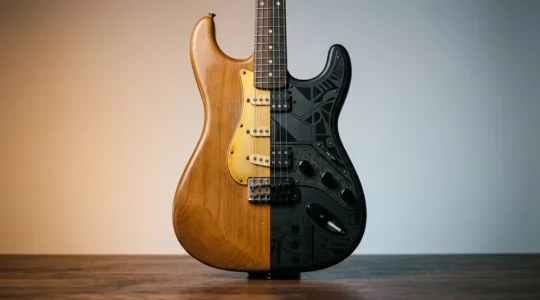
The Luthier’s Guide to Customizing: When Aesthetics Devalue Your Instrument
Contrary to the popular belief that « it’s your instrument, do what you want, » every aesthetic modification is a permanent transaction with its physics, chemistry, and future financial worth. Irreversible changes like refinishing or adding stickers can cause permanent finish damage…
Lire la suite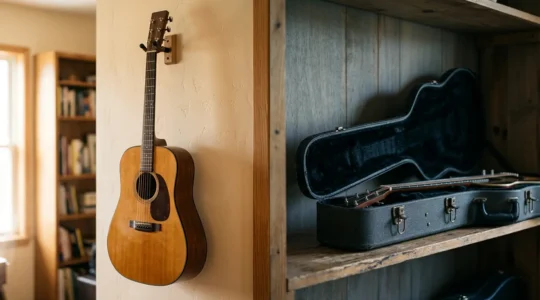
Wall Hangers vs. Cases: The Debate on Accessibility vs. Protection
The choice between keeping a guitar accessible on a hanger or safe in a case isn’t a simple trade-off; it’s a constant exercise in risk management. Displaying your guitar significantly increases how often you play, but introduces physical and environmental…
Lire la suite
Basements and Attics: The Worst Places to Store Musical Instruments
The greatest threat to an instrument’s value is not accidental damage, but passive environmental neglect in places like basements and attics. Uncontrolled humidity and temperature swings cause irreversible structural damage, from warped necks to failed glue joints. Modifications, even intended…
Lire la suite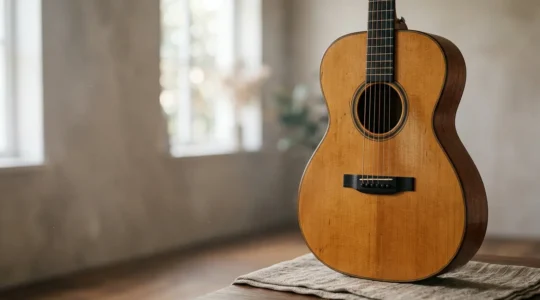
Wood Movement: How Humidity and Temperature Kill Your Instrument
The single greatest threat to your instrument is not accidental damage; it’s the invisible, relentless force of wood movement caused by environmental shifts. Wood is a hygroscopic material, meaning it physically shrinks in dry air and swells in humid air,…
Lire la suite
The 2-Minute Post-Practice Routine That Saves Your Instrument
In summary: Your instrument begins to degrade the moment you stop playing due to moisture, acid, and temperature shock. A two-minute « damage-control protocol » is more effective than long, infrequent cleanings. This routine involves targeted actions: swabbing moisture, wiping corrosive residue,…
Lire la suite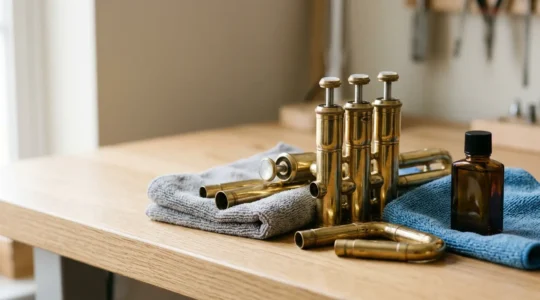
Cleaning Your Instrument: The Do’s and Don’ts of Polishing and Oiling
Much of the common wisdom about instrument ‘cleaning’ is a recipe for irreversible damage, turning well-intentioned care into a costly mistake. Household products like alcohol-based sanitizers can instantly dissolve delicate finishes like shellac, while popular « lemon oil » can actually accelerate…
Lire la suite
Why You Can’t Play in Tune If You Don’t Know How to Listen
Relying solely on a digital tuner is the very thing preventing you from playing in tune. While it provides a mechanical reference, it cripples your ability to hear and react to the subtle dissonances inherent in equal temperament. This guide…
Lire la suite
Improving Fingering Technique: Speed, Accuracy, and Comfort
True speed is not achieved by moving fingers faster, but by eliminating wasted motion and neurological friction. Fingering technique is a problem of biomechanical efficiency, where small adjustments in posture, thumb placement, and finger pressure yield massive gains in speed…
Lire la suite
How to Set Up Your Bass Guitar Action for Effortless Playing
In summary: High action is the main cause of sore fingers for beginners, but it’s completely fixable. A proper setup is a holistic system: neck relief, string height, and intonation must be adjusted in that specific order. Start by adjusting…
Lire la suite
Why Your Acoustic Piano Goes Out of Tune Every Winter in the UK
Your piano’s winter tuning problems are not just about pitch; they are a symptom of a physical battle between its wooden components and the UK’s fluctuating humidity. The soundboard swells and shrinks, throwing off string tension. This guide explains the…
Lire la suite