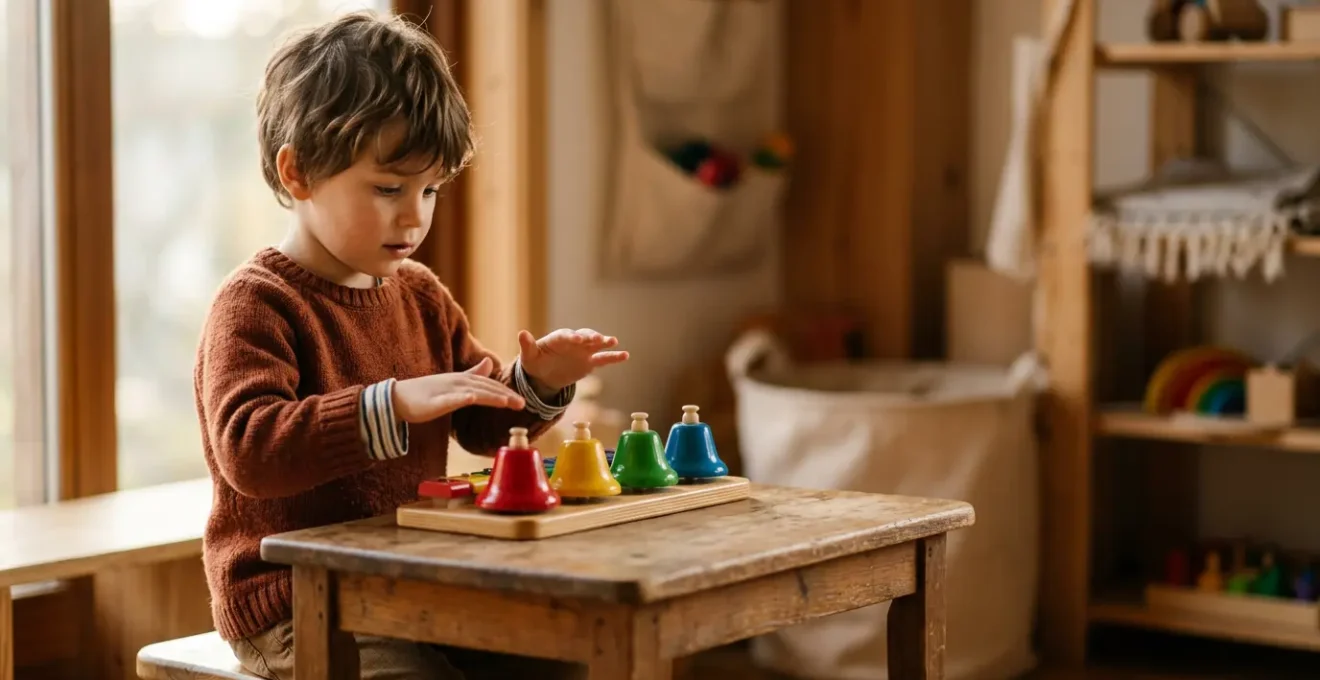
Contrary to popular belief, a child’s readiness for music lessons has little to do with their age or knowing the alphabet; it’s about the convergence of developing cognitive and emotional skills.
- True readiness is marked by the ability to manage frustration and sustain focus, not by arbitrary milestones.
- A child’s internal desire to learn is the single most critical factor for long-term success and enjoyment, far outweighing parental ambition.
Recommendation: Shift from testing your child for « readiness » to observing their developing emotional resilience, attention span, and personal curiosity as the most reliable indicators for starting formal instruction.
The question of when to start a child on formal music lessons is a common source of parental anxiety. On one side, there’s the pressure to start early, with some parents considering lessons for children as young as three. On the other, there’s the patient approach of waiting until age seven or eight, hoping for more maturity. This debate is often clouded by well-meaning but superficial advice: « Can they read their letters? » or « Are their hands big enough? » These simple checklists, while easy to follow, miss the fundamental point about what it truly takes for a child to succeed and, more importantly, enjoy the process of learning an instrument.
The reality is that readiness is not a single event or a box to be ticked. It is a complex interplay of cognitive development, emotional regulation, and fine motor control. Forcing lessons before a child has developed these underlying skills can lead to frustration, burnout, and a lifelong aversion to an activity that should bring joy. But what if the true key to identifying readiness wasn’t in a checklist, but in a shift of perspective? What if, instead of testing for a specific skill, parents learned to observe the developmental processes happening within their child?
This guide moves beyond the simplistic age-based debate. As a child psychologist specializing in education, the goal is to provide you with a developmental framework. We will explore the subtle but crucial indicators of mental and emotional readiness, helping you understand not just *what* to look for, but *why* it matters. We will dissect the difference between parental dreams and a child’s genuine desire, and equip you with strategies to foster a love of music, whether formal lessons are on the immediate horizon or still a few years away.
Summary: Is Your Child Ready for Formal Lessons? Signs of Mental Readiness
- Focusing for 15 Minutes: The Minimum Requirement for Piano Lessons
- Letters and Numbers: Do They Need to Read Text to Read Music?
- The Meltdown Test: How Does Your Child Handle Not Being Perfect Instantly?
- Who Wants This? Separating Your Dream from Their Desire
- Independent Fingers: Can They Wiggle Just One Finger?
- Age 0-5:How to Set Up Your Bass Guitar Action for Easier Playing?
- Two Hands, Two Jobs: Why Piano is the Ultimate Brain Gym
- How to Introduce Music to Kids Without Making It a Chore?
Focusing for 15 Minutes: The Minimum Requirement for Piano Lessons
The ability to sit still is often cited as a prerequisite for music lessons, but this advice misses the nuance. It isn’t about passive stillness; it’s about the capacity for sustained, active engagement. A 30-minute lesson is a significant demand on a young child’s cognitive resources. From a developmental standpoint, research on child readiness indicates that a focus of just 10-15 minutes is a realistic starting point for structured learning. This isn’t an arbitrary number; it represents the minimum time required to complete a fundamental learning loop: receive an instruction, attempt the task, receive feedback, and try again. Without this baseline attention, a lesson devolves into a constant battle for focus rather than a productive musical experience.
This capacity for focus is a proxy for a more significant developmental milestone: the emergence of executive functions. Can your child follow a two-step instruction? Can they engage with a single puzzle or building task without being constantly distracted? A music education expert cited by the Children’s Music Workshop frames it well:
For formal lessons, start when children can write their name legibly, which shows they have fine motor skills, and can sit for at least 15 minutes.
– Music education expert cited by Children’s Music Workshop, The art of teaching kids to play music: when to start
This connects the dots between physical control (writing) and mental control (focus). Observing your child’s engagement in non-musical activities—like drawing, listening to a story, or playing a board game—is your most reliable « test. » If they can willingly invest 15 minutes in a task they find interesting, they have the foundational attention needed to begin their musical journey.
Letters and Numbers: Do They Need to Read Text to Read Music?
One of the most persistent myths about music readiness is that a child must first know their alphabet and numbers. While literacy and numeracy skills are crucial for overall development, they are not a direct prerequisite for beginning music. Early music education does not rely on linguistic reading; it relies on the brain’s capacity for symbolic abstraction—the ability to understand that one thing (a black dot on a line) represents another thing (a specific sound to be played with a specific finger for a specific duration). This is a different cognitive pathway than reading words.
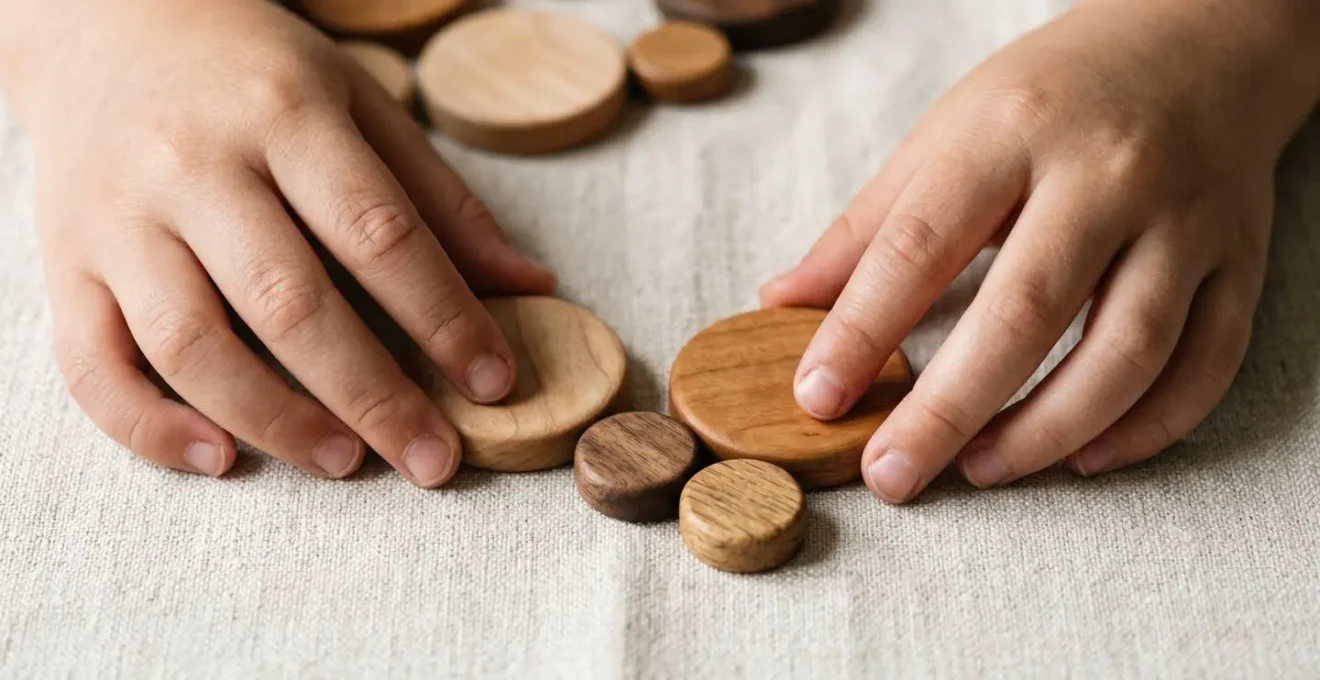
As the image above suggests, learning can be tactile and pattern-based. Many successful early childhood music programs, such as the Suzuki method, intentionally delay reading sheet music, focusing instead on learning by ear, repetition, and recognizing patterns. This builds a strong auditory foundation. According to Merit School of Music, while formal lessons for instruments like piano often begin around age 6-7, this is preceded by a crucial period where the focus is on « musical building blocks » rather than symbol-based learning. This approach creates a strong foundation before the abstract challenge of notation is introduced. The question isn’t « Can they read letters? » but rather « Can they recognize a pattern? » or « Can they tell the difference between high and low sounds? » These are the true building blocks of musicality.
The Meltdown Test: How Does Your Child Handle Not Being Perfect Instantly?
Perhaps the most telling sign of readiness, and the one most often overlooked, is a child’s emotional resilience. Learning an instrument is a continuous process of confronting imperfection. Fingers will hit the wrong notes, rhythms will be unsteady, and progress will feel slow. A child who melts down at the first sign of difficulty is not « bad » or « unmusical »; they are simply at a developmental stage where their frustration tolerance is still low. Pushing them into formal lessons can turn music into a source of anxiety and failure.
Instead of viewing a « meltdown » as a character flaw, observe it as data. How does your child react when a tower of blocks topples over or a drawing doesn’t look quite right? Do they give up, get angry, or are they able to ask for help or try a different approach? This ability to manage frustration is linked to what psychologists call inhibitory control—the capacity to suppress a prepotent response (like giving up or getting upset) in favor of a more adaptive one. Interestingly, music itself is a powerful tool for building this very skill. In fact, a 2024 study found that children with music training for at least six months showed higher levels of motor inhibitory control. The process of learning reinforces the very skills needed to learn.
For parents, the key is to model a healthy response to mistakes. Adopting a « growth mindset » is critical. It reframes challenges as opportunities for learning rather than as verdicts on ability. Your language during these moments can profoundly shape your child’s approach to difficulty, both in music and in life.
Your Action Plan: Fostering a Growth Mindset During Practice
- Observe their process: Replace ‘Don’t worry, you’ll get it’ with ‘I love the way you’re trying different ways to solve that tricky part’.
- Celebrate the work: Praise effort by saying ‘I love how dedicated you’ve been’ instead of only complimenting the final, « perfect » performance.
- Normalize difficulty: Encourage framing struggle as temporary, such as ‘This is hard!’ instead of ‘I’m bad at this’.
- Model vulnerability: Share stories of your own struggles and how you overcame them to show that challenges are a universal part of learning.
- Leverage the power of « yet »: When a child says ‘I can’t,’ respond with ‘You can’t do it *yet*, but you have time to practice and figure this out.’
Who Wants This? Separating Your Dream from Their Desire
This is the most difficult, and most important, question a parent must ask themselves. Is the push for music lessons coming from a genuine spark of interest within the child, or is it a projection of the parent’s own unfulfilled ambitions or societal expectations? There is nothing wrong with wanting a rich musical life for your child, but the motivation must eventually become their own for the journey to be sustainable and joyful. A child who is externally motivated—practicing only to please a parent or avoid punishment—may show short-term progress, but they are at high risk of quitting as soon as they have the autonomy to do so.
This dynamic is perfectly explained by Self-Determination Theory (SDT), a leading psychological framework for motivation. According to SDT researcher P. Evans, two core concepts are at play:
Two key concepts underlie SDT research. The first is the concept of basic psychological needs, the nutriments that form fundamental motives for psychological growth and wellbeing. The second is internalization, the process by which externally regulated behaviours are aligned with the self.
– P. Evans, Self-Determination Theory researcher, An approach to motivation in music education
In simple terms, for a child to truly want to learn music, the activity must satisfy their basic needs for autonomy (feeling in control), competence (feeling capable), and relatedness (feeling connected). The goal is for them to « internalize » the desire to play. This happens when they discover a song they love and want to learn, when they feel proud of mastering a small passage, or when they share their music with friends or family. The parent’s role is not to be the source of motivation, but to create an environment where the child’s own internal motivation can flourish.
Independent Fingers: Can They Wiggle Just One Finger?
Beyond the cognitive and emotional, there is a purely physical component to readiness: fine motor skill development. For instruments like the piano, violin, or guitar, the ability to move individual fingers with intention is non-negotiable. A simple observational test is to ask your child to give you a « thumbs up » or to wiggle just their pinky finger. If their other fingers move in sympathy, it’s a sign that the neural pathways controlling this refined dexterity are still developing.
This development happens on a predictable, though individual, timeline. While there’s wide variation, developmental guidelines suggest that piano readiness and the fine motor skills for violin often align with the 6-7 age range. The strength and dexterity required for a guitar typically emerge closer to age 8, while the physical demands of many band instruments are best met around age 9. These are not strict rules, but averages based on typical physical maturation.
Crucially, just like emotional resilience, fine motor skill is not merely a passive prerequisite; it is actively developed *through* musical practice. A comparative study on young musicians found that those learning percussion instruments significantly improved their fine motor skills, particularly in hand speed, stability, and precision. The act of playing an instrument is a workout for the neural circuits that connect the brain to the fingers. Therefore, while a baseline level of control is necessary to avoid initial frustration, the real refinement comes from the practice itself. If your child isn’t quite there yet, activities like playing with modeling clay, building with small blocks, or finger painting can help build these foundational skills in a playful context.
Age 0-5:How to Set Up Your Bass Guitar Action for Easier Playing?
While the image of a toddler playing a bass guitar is certainly ambitious, the parental instinct behind such a question—the desire to introduce music as early as possible—is a positive one. The key is to channel that enthusiasm into developmentally appropriate activities. For children in the 0-5 age range, the goal is not technical proficiency but joyful causal discovery: « When I do this, it makes a sound! » This foundational exploration is critical for building a lifelong positive relationship with music.
Instead of focusing on a specific, complex instrument, the priority should be creating a rich, sensory environment where music is a form of play. This period is about building the « musical building blocks » we discussed earlier: rhythm, pitch differentiation, and movement. Formal lessons can wait; the exploration cannot. The focus should be on instruments that are durable, safe, and provide immediate auditory feedback for a simple action. This fosters a sense of competence and curiosity, which are the true seeds of internal motivation.
So, what does this look like in practice? Here are some age-appropriate alternatives for fostering musicality in toddlers and preschoolers:
- Provide colorful, durable instruments like Deskbells, which are designed to be easy and safe for small hands to play.
- Focus on hand drums, shakers, and other rhythm instruments that allow for tapping, clapping, and exploring sound through simple movements.
- Create a sensory-rich environment where children can feel the vibration of a string or hear the difference between a tap and a scrape.
- Model a steady beat and play diverse music for them to play along with, encouraging natural rhythmic development through dance and movement.
By shifting the focus from performance to play, you are giving your child the best possible start—one that is rooted in joy and discovery, not pressure and expectation.
Two Hands, Two Jobs: Why Piano is the Ultimate Brain Gym
The piano is unique among instruments in its demand for bimanual coordination: the task of requiring both hands to do different, complex jobs simultaneously. While one hand plays the melody, the other provides the harmonic foundation. This is not just a physical challenge; it’s a profound neurological workout. To accomplish this, the brain must send independent signals to each hand while simultaneously integrating their output into a cohesive whole. This process heavily engages the corpus callosum, the bundle of nerve fibers connecting the brain’s left and right hemispheres, strengthening the communication between them.
This « brain gym » effect is not just a metaphor; it’s backed by significant research. Learning to play an instrument has been shown to enhance executive functions, which include skills like planning, cognitive flexibility, and inhibitory control. In one remarkable study, test scores on inhibition and planning increased significantly in music groups over 2.5 years compared to control groups. A longitudinal study of 147 primary school children demonstrated that those in music groups showed significant increases in these functions over time.
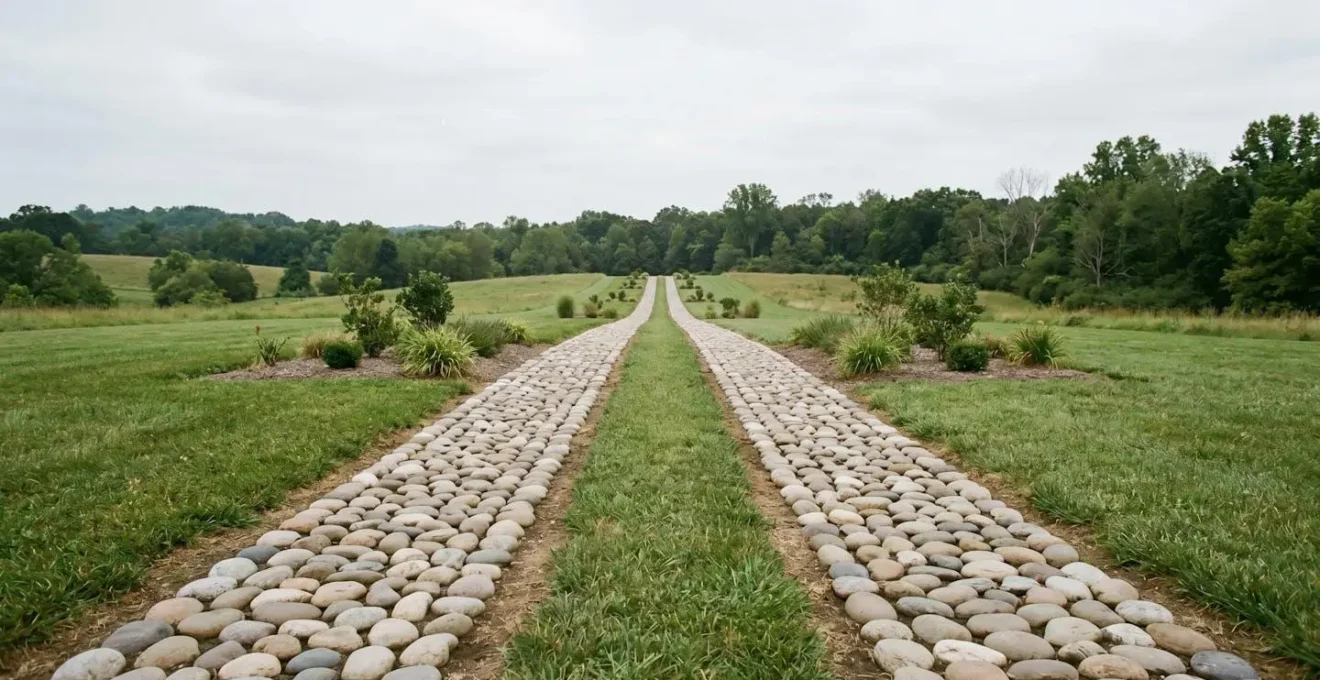
When you see a child struggling to make their two hands cooperate at the piano, you are witnessing a brain in the process of rewiring itself for higher-level cognitive function. This struggle is not a sign of failure; it is the very picture of learning. It’s the brain building new pathways, much like the converging paths in the image above, creating a more integrated and efficient processing system that will benefit the child far beyond the music room.
Key takeaways
- Readiness is a developmental convergence of focus, emotional resilience, and motor skills—not a single milestone.
- Emotional resilience—the ability to handle frustration and imperfection—is a more critical indicator of readiness than technical ability.
- A child’s internal motivation is the most powerful and sustainable driver for long-term musical engagement; it cannot be replaced by parental ambition.
How to Introduce Music to Kids Without Making It a Chore?
The ultimate goal for any parent is not just to have a child who can play an instrument, but one who loves music. The surest way to undermine this goal is to turn music into another task on a to-do list. Before, during, and after any consideration of formal lessons, the most important thing you can do is cultivate a music-rich home environment where music is a natural and joyful part of daily life, not a source of pressure.
This concept of informal music-making has profound developmental benefits. Research confirms that activities as simple as singing with your child or having music playing in the background are not trivial. A 2024 study led by Putkinen et al. found that informal music activities at home were associated with improved sound processing and attention in toddlers. These experiences lay the neurological groundwork for more formal learning later on. The goal is to make music feel as natural as conversation.
How can you create this environment? It’s less about scheduled practice and more about spontaneous integration. It’s about normalizing music as a language of emotion, connection, and play. Here are some simple, powerful ways to weave music into the fabric of your family life:
- Play diverse musical playlists on rotation throughout the day, from classical to jazz to world music, exposing your child to different sounds and rhythms.
- Make accessible instruments like hand drums, shakers, and rhythm sticks available for free play and exploration.
- Incorporate spontaneous family sing-alongs during everyday activities like car rides, cooking, or bath time.
- Use finger-play songs like ‘Where is Thumbkin?’ and ‘Itsy Bitsy Spider’ to build fine motor skills and memory through play.
- Create musical parades and movement activities, encouraging children to dance and respond physically to the rhythm.
The most profound gift you can give your child is not piano lessons, but a love for music. The journey to musical readiness begins not with a formal assessment, but with patient observation and the gentle nurturing of your child’s innate curiosity. By focusing on their developing emotional and cognitive world, you can make a choice that honors their individual timeline, ensuring that when they do sit down at an instrument, it is with a willing heart and a ready mind.