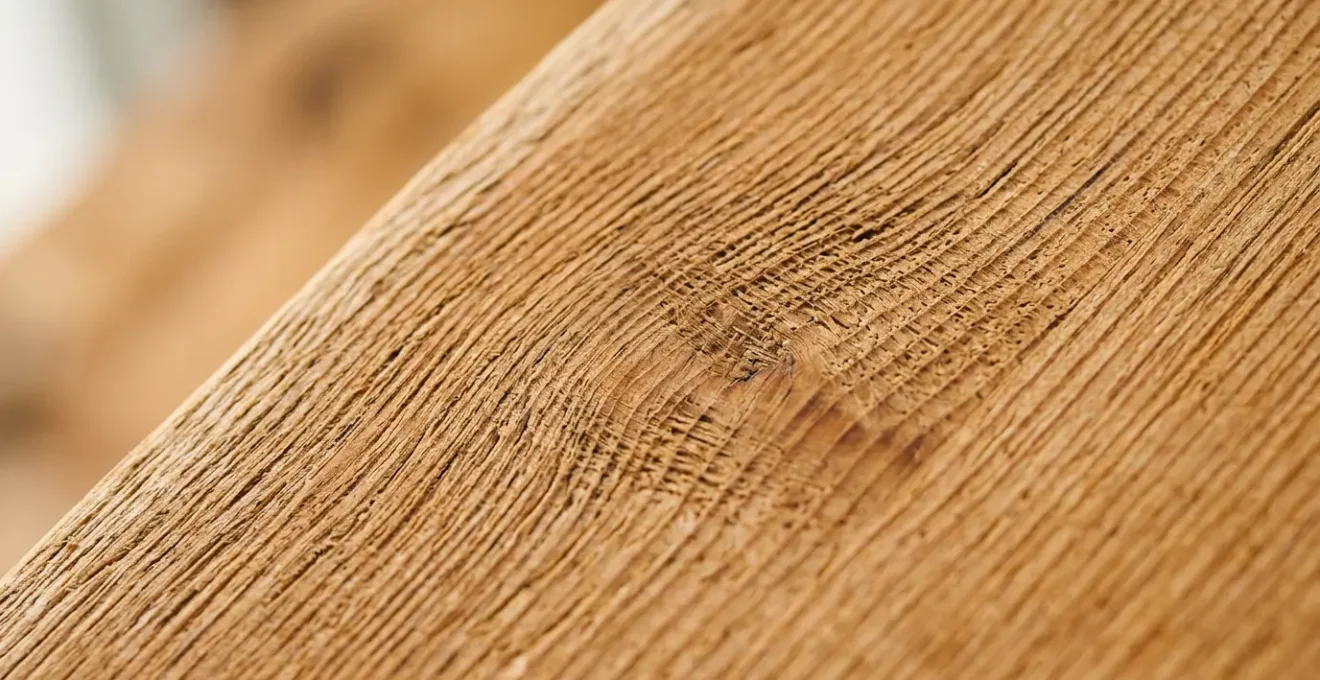
Your instrument is not an inanimate object; it is an active organic system constantly trying to achieve balance with its environment. Most damage isn’t from accidents, but from the invisible, relentless stress of humidity and temperature changes. Understanding the physics of wood movement—how cells swell with moisture and shrink in dryness—is the only way to shift from being a passive owner to an active guardian, preventing catastrophic and expensive failures before they begin.
The subtle change in action, the slight stickiness of a key, the faint musty smell from the case—most instrument owners dismiss these as quirks, the simple eccentricities of an aged tool. This is a dangerous misconception. These are not quirks; they are distress signals. They are the first signs of a slow, silent war being waged at a microscopic level, a battle between your instrument’s organic materials and the ever-changing environment you force it to endure.
The common advice—”use a humidifier,” “keep it in the case”—is not wrong, but it is dangerously incomplete. It treats the symptom, not the disease. It encourages a passive, checklist-based approach to care that fails to address the fundamental physics at play. The true threat is a force you can’t see: the relentless drive of wood to achieve hygroscopic equilibrium with the surrounding air. Your instrument is literally breathing, and without understanding that process, you are gambling with its life.
This is not a guide about simple tips. This is a structural briefing. To truly protect your investment, you must stop thinking like a musician and start thinking like a wood technologist. The key is not to fight the environment but to manage it with knowledge. We will dissect the primary environmental threats, from the dry heat of a winter home to the shocking cold of a car trunk, revealing the structural mechanics of why and how they inflict irreversible damage.
This guide breaks down the critical environmental battlegrounds where your instrument’s integrity is won or lost. By understanding these specific threats, you can arm yourself with the knowledge to ensure its longevity.
Summary: The Environmental Forces Destroying Your Musical Instruments
- The Heater Danger: Why Acoustic Guitars Split in January
- Stuck Joints: Why Your Flute Won’t Fit Together in August
- Temperature Shock: Why Going from Cold Car to Hot Stage Ruins Tuning
- Monitoring the Case: The Cheap Tool That Saves Expensive Repairs
- Waiting to Open the Case: Preventing Finish Checking
- Dampp-Chaser vs Humidifier: Protecting Your Soundboard from Cracks
- The Musty Smell: Rescuing an Instrument from a Damp Basement
- Basements and Attics: The Worst Places to Store Musical Instruments
The Heater Danger: Why Acoustic Guitars Split in January
In winter, you turn on the heat. The air in your home becomes comfortable for you, but it creates a desert for your acoustic guitar. Central heating systems strip moisture from the air, causing the relative humidity (RH) to plummet. Wood, being a hygroscopic material, immediately tries to find equilibrium with this arid environment. It releases its own stored moisture into the air, and as it does, its cells begin to shrink. This isn’t a gentle process; it’s a powerful force of contraction.
The thin spruce top of a guitar is particularly vulnerable. As the wood shrinks, immense tensile stress builds across the grain. The glue joints fight to hold everything together, but the wood’s movement is relentless. Eventually, something has to give. The result is the dreaded winter crack, often appearing suddenly along the grain of the soundboard. The force is quantifiable; research shows that wood can expand or contract by 1/8th of an inch for every 20% change in relative humidity. When you consider the delicate bracing and construction of an acoustic instrument, you realize it was never designed to withstand such a dramatic structural tug-of-war.
Stuck Joints: Why Your Flute Won’t Fit Together in August
The problem of wood movement is not limited to dryness. In the humid, heavy air of late summer, the opposite reaction occurs, with equally frustrating results. Woodwind instruments, particularly those with cork tenon joints like flutes, clarinets, and oboes, become casualties of high humidity. Cork is exceptionally porous and hygroscopic, making it an excellent material for creating a seal, but also highly reactive to moisture in the air.
As the relative humidity climbs, the cork cells absorb moisture directly from the atmosphere and expand significantly. This cellular swelling causes the diameter of the joint to increase. A tenon that fit perfectly in the climate-controlled air of a concert hall can become completely seized after spending a day in a humid environment. Forcing the joint can lead to serious damage, either by tearing the cork or, in a worst-case scenario, cracking the wood or metal of the instrument body itself. The pressure is immense. This is your instrument’s material structure actively fighting itself, a direct result of its attempt to achieve hygroscopic equilibrium with the damp air.
Temperature Shock: Why Going from Cold Car to Hot Stage Ruins Tuning
While humidity causes slow, creeping changes, rapid temperature shifts—known as thermal shock—inflict immediate and jarring effects. The most common scenario is bringing an instrument from a cold car into a warm building or onto a hot stage. This sudden change is catastrophic for tuning stability because the various materials of your instrument have different rates of thermal expansion and contraction.
The metal strings, truss rod, and tuning machines react to heat much faster than the dense wood of the neck and body. As you move into the warm room, the steel strings expand and lose tension, causing the pitch to drop flat. Over the next hour, the wood slowly warms up, expands, and counteracts some of this effect, but the initial chaos is unavoidable. The impact is measurable; measurements demonstrate that a change of 3-5 cents per 10°F is common. According to the research team at GuitarTuner.io, “Steel strings are more sensitive than nylon, with wound strings showing greater variation than plain strings.” This differential movement puts stress on every component, from the bridge to the nut, making stable tuning an impossibility until the entire instrument reaches thermal equilibrium.
Monitoring the Case: The Cheap Tool That Saves Expensive Repairs
You cannot manage what you do not measure. Relying on “feel” to gauge the humidity inside your instrument’s case is a recipe for disaster. The single most important, and yet most overlooked, tool in an instrument owner’s arsenal is a digital hygrometer. This small, inexpensive device provides the one piece of data that matters: the actual relative humidity of the micro-environment where your instrument lives.
Placing a quality hygrometer inside your case transforms you from a passive victim of the climate to an active manager of your instrument’s health. It is the dashboard for your instrument’s environment. Is the RH dropping below 40%? It’s time to add a humidifier. Is it creeping above 60%? You need to introduce a desiccant pack. This data-driven approach removes the guesswork. The cost of a good hygrometer ($15-$30) is trivial compared to the consequences of neglect. As a reminder of the stakes, repair estimates for common humidity-related cracks range from $100 to over $350, a price that doesn’t account for the potential loss of tone and devaluation of the instrument.
Action Plan: Your Instrument Protection Checklist
- Environment Control: Keep your instrument out of direct sunlight and away from extremes of temperature or humidity. Avoid placing it near HVAC vents, radiators, or drafty windows.
- Case Storage: Always store your instrument in its case when not in use. The case acts as a primary buffer against rapid environmental changes.
- Active Humidification: Keep a suitable instrument humidifier in the case, especially during dry winter months or in arid climates. Re-moisten it according to manufacturer instructions.
- Constant Monitoring: Keep a digital hygrometer in your case and check it frequently. Your goal is to maintain a stable Relative Humidity (RH) between 45% and 55%.
- Vigilant Observation: Regularly inspect your instrument for early warning signs of humidity issues, such as a changing string height (action), sharp fret ends, or a swelling top.
Waiting to Open the Case: Preventing Finish Checking
Patience is a structural virtue. After bringing your instrument in from the cold, the urge to open the case immediately is strong. Resisting that urge is one of the most critical things you can do to protect its finish. The beautiful, glossy lacquer on an instrument is far more brittle and has a different coefficient of thermal expansion than the wood beneath it. When you expose a cold instrument to warm air, the finish and wood expand at different rates.
The result is a phenomenon known as finish checking or “crazing”—a network of fine, spidery cracks that form in the lacquer. These cracks are permanent. While some vintage enthusiasts may find them aesthetically pleasing, they are, from a material science perspective, a sign of trauma. As the Acoustic Music Organization warns, “The very thin finish of a cold instrument is likely to crack if suddenly exposed to warm air.” The solution is simple but requires discipline: let the instrument acclimate inside its closed case for several hours. This allows the temperature of the entire system—wood, finish, and metal parts—to equalize slowly and uniformly, preventing the differential stress that causes the finish to fracture. This principle applies to both heat and cold, always allowing a buffer period for gradual adjustment.
Dampp-Chaser vs Humidifier: Protecting Your Soundboard from Cracks
The conversation around humidity control is often oversimplified to just “using a humidifier.” This only addresses half of the problem. A standard humidifier is a one-way system: it adds moisture to a dry environment. But what about environments with excessively high humidity? In this case, adding more moisture is the last thing you want. This is where the concept of two-way humidity control becomes essential for total protection.
Systems like piano-specific Dampp-Chasers or disposable packs for cases (like Music Sorb or D’Addario Humidipak) are designed to be regulators, not just hydrators. They contain materials that both release moisture when the air is too dry and absorb it when the air is too wet. Their goal is not just to prevent dryness but to actively maintain a stable hygroscopic equilibrium within a target range, typically the globally agreed-upon optimal 45-55% RH. Choosing a system depends on your instrument and environment. A simple case humidifier works for mild dryness, but for instruments stored in variable climates or for owners seeking absolute stability, a two-way system is the superior technological solution. It’s the difference between manually topping off a system and having a fully automated climate control.
The Musty Smell: Rescuing an Instrument from a Damp Basement
That “old instrument” smell is often romanticized, but when it veers into a musty, earthy odor, it is an urgent red flag. That smell is the scent of active biological decay. It is the waste gas produced by mold and mildew colonies that have taken root in the organic materials of your instrument and its case lining. This is what happens when an instrument is exposed to prolonged high humidity, typically above 70% RH.
Mold spores are everywhere, waiting for two things: a food source (wood, glue, fabric) and moisture. A damp case provides the perfect incubator. The damage is not merely olfactory. Mold secretes enzymes that break down the wood fibers, compromising the instrument’s structural integrity over time. Furthermore, it can pose a significant health risk. In fact, classroom studies show that maintaining an RH between 35-50% significantly reduces the growth of airborne viruses and bacteria, highlighting the link between instrument health and human health.
Case Study: The Irreversible Damage of Mold Contamination
A documented incident reported by a woodwind specialist involved a Mollenhauer contrabassoon from an estate sale. After several months of use, a musician playing the instrument developed a persistent cough. An investigation using a borescope revealed the shocking cause: the interior bore of the instrument was completely filled with mold. Despite a thorough, professional cleaning by a repair technician, the damage was permanent. According to the report, the instrument never recovered its original tone or performance characteristics, a stark testament to the irreversible destruction that unchecked moisture and mold can inflict on a fine instrument.
Key Takeaways
- Your instrument is a dynamic organic system, not a static object; it is constantly reacting to its environment.
- The ultimate goal is stability, maintaining a relative humidity between 45% and 55% to prevent the stress of expansion and contraction.
- Active monitoring with a digital hygrometer is non-negotiable; it is the only way to move from guessing to managing your instrument’s safety.
Basements and Attics: The Worst Places to Store Musical Instruments
There is no ambiguity on this point: basements and attics are instrument graveyards. These spaces represent the absolute worst-case scenarios for environmental stability and are fundamentally incompatible with the preservation of wooden instruments. They are not neutral storage areas; they are active threats.
The basement’s primary enemy is moisture. Being below ground level, they are naturally prone to dampness, condensation, and high relative humidity—the perfect breeding ground for the mold discussed previously. Even a “finished” basement is a high-risk zone. Conversely, the attic is a chamber of extreme heat and dryness. In the summer, temperatures can soar, baking the moisture out of the wood far beyond its tolerance, leading to shrunken, cracked wood and failed glue joints. In winter, it can be frigidly cold. These wild swings in both temperature and humidity create a cycle of maximum cellular stress that no instrument can withstand for long.
Never leave an instrument in a damp basement or warm attic – in or out of its case. The temperature extremes spell certain disaster.
– Acoustic Music Organization
The only safe storage location is within the climate-controlled living space of your home, in an interior closet away from windows, vents, and exterior walls. Storing an instrument anywhere else is not a compromise; it is a guarantee of eventual, catastrophic failure.
Your instrument’s survival depends on your vigilance. By applying these principles of material science and environmental management, you can ensure it provides music for generations, rather than becoming another cautionary tale of neglect.